Furnace repair
Furnace repair in Cleveland
Most no-heat calls in a Cleveland winter come down to a handful of parts that wear out with long run times. A few checks are safe for anyone. The rest belong to a contractor.
Five things to look at first
These take a few minutes and need no tools. If one of them brings the heat back, you have saved a visit. If none do, you have useful facts for the call.
Safe checks
- The thermostat is set to Heat and above room temperature, and its screen is not blank from dead batteries.
- The switch near the furnace, which looks like an ordinary light switch, is on.
- The furnace breaker in the panel has not tripped.
- The filter is not caked gray. A blocked filter can make the furnace overheat and shut itself down.
- On a furnace with white plastic pipes out the side of the house, the pipe ends are not buried in snow or ice.
Parts that fail after a hard winter
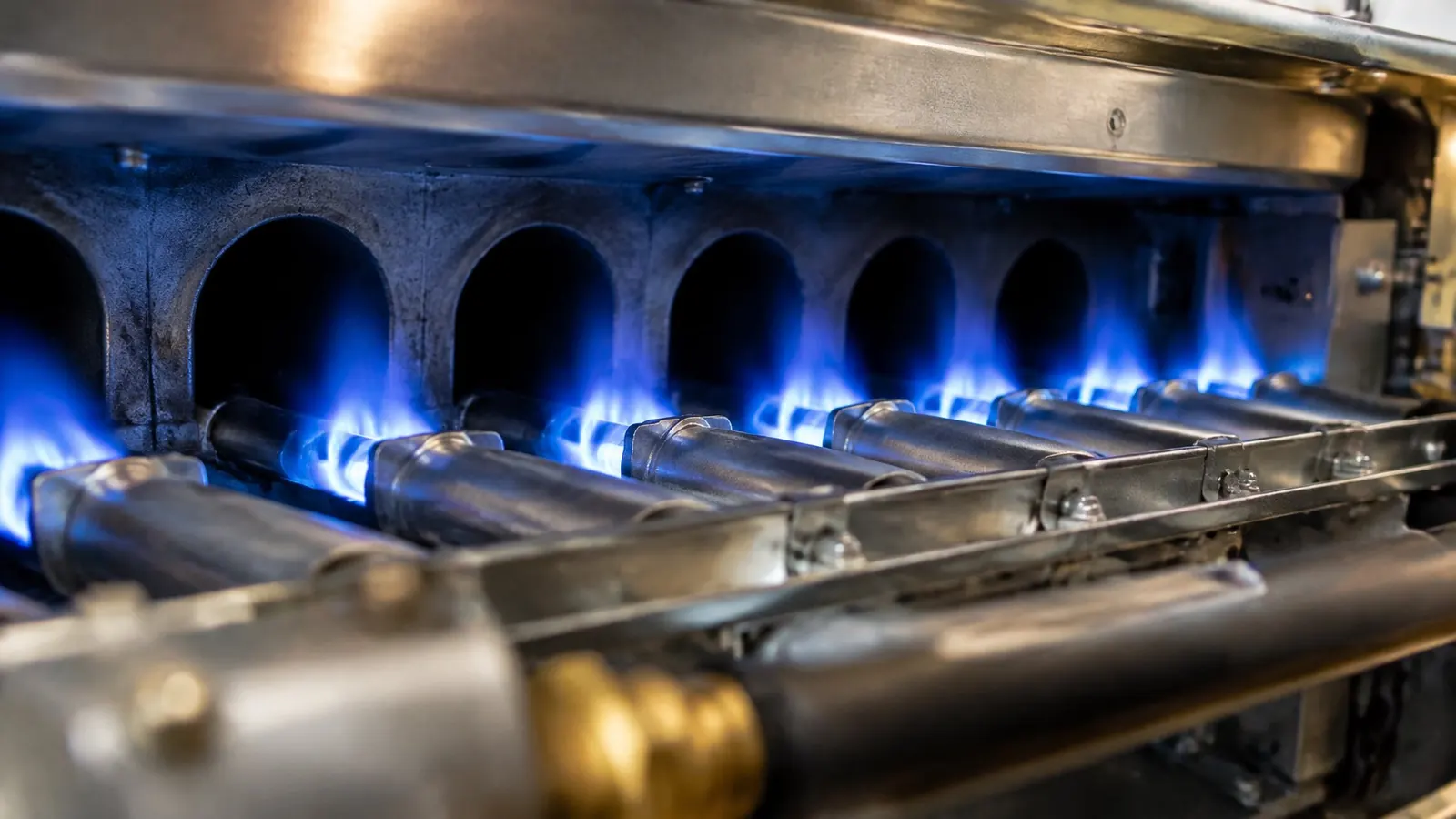
The igniter on most modern furnaces is a small ceramic element that glows to light the gas. It is brittle, and a crack ends the heating cycle before the burners catch.
The flame sensor is a thin metal rod that proves the burners lit. A coat of residue on it makes the control board shut the gas off within seconds, which looks like the furnace starting and stopping over and over.
The inducer motor pulls exhaust through the furnace before the burners light. When its bearings go, you hear a whine or grinding, and the furnace waits for a pressure switch that never closes.
Blower motors, run capacitors and control boards round out the list. A contractor tests each one rather than replacing parts until the heat comes back.
Sounds and smells worth mentioning on the call
- A bang when the burners light, which can mean delayed ignition.
- A dusty smell on the first cold day of the season, which is usually dust burning off and fades.
- A sharp electrical smell, which needs the furnace turned off at the switch.
- Rattling from the cabinet or the ducts after a part came loose.
Gas smell or a carbon monoxide alarm
Leave first. Call 911 or Enbridge Gas Ohio at 1-877-542-2630 once you are outside the house, as the utility asks. A repair visit comes after the house has been cleared.
Repairs, permits and the city
Cleveland's HVAC permit page lists the installation or replacement of furnaces, plus new, extended or repaired ductwork and control wiring, as work that needs a permit. It also says contractors must be bonded, insured, licensed with the State of Ohio and registered with the city.
Ask the contractor whether the repair they propose falls on that list. If it does, they pull the permit.
Questions
Should I keep resetting the furnace?
Once or twice is reasonable. A furnace that locks out again and again is telling you a safety control is tripping, and repeated resets do not fix the cause.
Can a space heater carry the house until the visit?
For a room or two, with care. Keep it on the floor, away from bedding and curtains, plugged straight into the wall, and off when nobody is in the room.
Furnace out, or the central air quit?
Ring the number below. An independent HVAC contractor serving Cleveland and its inner-ring suburbs hears out the problem and sets up the visit with you.